
SEO vs AEO vs GEO: How to Get Found When AI Does the Searching
Half of your future customers will never click a blue link. They will read an AI answer that either mentions your business or does not. Ranking is no longer the whole game; being the answer is.
For twenty years, getting found online meant one thing: rank on page one of Google. In 2026 your customers ask ChatGPT for a shortlist, skim an AI Overview instead of clicking, or let Perplexity compare three vendors while they drink their coffee. Google still matters enormously. It just stopped being the only referee.
That shift created two new acronyms, AEO and GEO, and a lot of confusion about whether SEO is dead. It is not. Here is how the three fit together, without the hype.
The three disciplines in plain language
SEO: be findable
Search engine optimization is the foundation everything else stands on. Technical health, fast pages, useful content, links, and clear structure so a crawler can understand what you sell. When we do SEO work for clients, most early wins still come from unglamorous fixes: crawlability, titles that match real searches, and pages that load before the visitor loses patience.
AEO: be the answer
Answer engine optimization targets the surfaces that answer a question directly: featured snippets, People Also Ask boxes, and voice assistants. The unit of competition is not the page, it is the question. AEO rewards pages that ask a real question in a heading and answer it completely in the first two or three sentences underneath.
GEO: be the citation
Generative engine optimization is the newest layer. When ChatGPT, Perplexity, Claude, or Google's AI Overviews write an answer, they retrieve a handful of sources and cite a few. GEO is the work of becoming one of those citations: being crawlable by AI bots, quotable in structure, and specific enough that a model trusts your page over a generic one.
Rankings get you visits. Citations get you trust before the visit ever happens.
Where they overlap, and where they differ
| Dimension | SEO | AEO | GEO |
|---|---|---|---|
| Target surface | Ranked results | Answer boxes, assistants | AI chat responses |
| Unit of competition | Page vs page | Question vs question | Claim vs claim |
| What wins | Relevance and authority | Direct, complete answers | Specificity, structure, citability |
| Feedback loop | Months | Weeks to months | Weeks |
| How you measure | Rankings, clicks | Snippet wins, zero-click share | AI referrals, brand mentions in answers |
The good news hiding in that table: the work compounds. A page built to answer one question clearly, marked up with structured data, on a fast crawlable site, is simultaneously doing SEO, AEO, and GEO. You do not need three strategies. You need one strategy executed at three depths.
What actually moves the needle in 2026
1. Answer-first page structure
Put the question in an H2 and the answer in the first sentence below it. Then elaborate. Humans skim it, Google snips it, and language models quote it. Burying the answer in paragraph six serves nobody, least of all a model choosing what to cite.
2. Structured data that mirrors visible content
Schema markup (Organization, Service, Article, FAQPage) is machine-readable proof of what your page says. Two rules: mark up only what is visibly on the page, and keep the JSON in lockstep with the copy when it changes. Mismatched schema reads as deception to both Google and AI retrieval systems. One 2026 change: Google stopped showing FAQ rich results on May 7, 2026, so FAQPage markup no longer wins extra space in Google results. It costs nothing to keep when the questions really are on the page, and other search and AI systems still read it.
3. Let AI crawlers in, then give them a map
Check your robots.txt and your CDN's bot settings; plenty of sites block GPTBot, ClaudeBot, and PerplexityBot without knowing it because a firewall preset did it silently. Then add an llms.txt file: a plain-text summary of who you are, what you sell, and where your key pages live. It takes an hour and answers the exact questions a model asks about your business. Keep expectations modest: Google said in June 2026 that its Search does not use llms.txt and the file will not help or hurt rankings there, so treat it as a courtesy to the other AI tools that may read it.
4. Specificity beats adjectives
"Award-winning digital agency" is invisible to a model deciding who to cite. "Independent studio, 2000+ projects since 2015, 96% client retention" is quotable evidence. Numbers, dates, prices, and named clients are the currency of GEO. If your pages read like a brochure, rewrite them to read like a fact sheet with personality.
5. Entity consistency everywhere
AI systems reconcile your business across your site, Google Business Profile, LinkedIn, directories, and reviews. Same name, same claims, same numbers everywhere. Contradictions lower a model's confidence, and low confidence means the model cites someone else.
How to measure any of this
Classic rank tracking misses most of the new surface area, so add three cheap measurements. First, segment GA4 referrals from chatgpt.com, perplexity.ai, and similar sources; these visitors tend to arrive pre-sold, so track their conversion rate separately. Second, ask the big assistants your money questions monthly ("best web studio for X", "how much does a website cost") and record whether you appear. Third, watch Search Console for the queries where you already earn impressions without clicks; those are answer-box opportunities you can win with better page structure.
What to do first
If you run a business site and want the shortest useful checklist, it is this, in order:
- Fix crawl and speed basics; nothing else works while these are broken. Our guide to why speed sells covers the revenue math.
- Rewrite your top five pages answer-first, one question per section.
- Add Organization, Service, and FAQ schema that mirrors visible copy.
- Unblock AI crawlers and publish llms.txt.
- Add proof: numbers, client names, dates, prices where you can.
That list is roughly a week of focused work on most small business sites, and it covers all three acronyms at once. If you would rather hand it to people who do this daily, that is what we do.
Good to know
Frequently asked questions
Do I still need SEO if AI search takes over?
Yes. Every major AI search tool retrieves web pages before it writes an answer, and it retrieves the pages that classic SEO surfaces. Strong SEO is the entry ticket; AEO and GEO decide whether you get quoted once you're retrieved.
What is the difference between AEO and GEO?
AEO (answer engine optimization) aims at answer surfaces like featured snippets, People Also Ask, and voice assistants. GEO (generative engine optimization) aims at being cited inside AI-written responses from tools like ChatGPT, Perplexity, and Google's AI Overviews. The tactics overlap heavily; the surfaces differ.
How do I know if AI tools are sending me traffic?
Check GA4 referrals for sources like chatgpt.com and perplexity.ai, and watch your server logs for AI crawlers. The numbers are small for most sites today, but they are growing quarter over quarter and the visitors arrive unusually well qualified.
Should I block AI crawlers from my website?
If you sell content itself, maybe. If you sell products or services, blocking AI crawlers mostly guarantees competitors get recommended instead of you. For a business site, visibility in AI answers is marketing you cannot buy elsewhere.
How long does it take to show up in AI answers?
Faster than classic rankings. AI tools re-crawl and re-synthesize often, so a well-structured page can start appearing in answers within weeks, especially for specific questions with thin competition.
Keep reading
Related articles
 SEO & Performance
Local SEO in 2026: How to Get Into Google's Map Pack
The map pack is where local customers decide who to call. Here is how Google ranks it, what a finished Business Profile looks like, and a 30-day plan to earn your place. Read article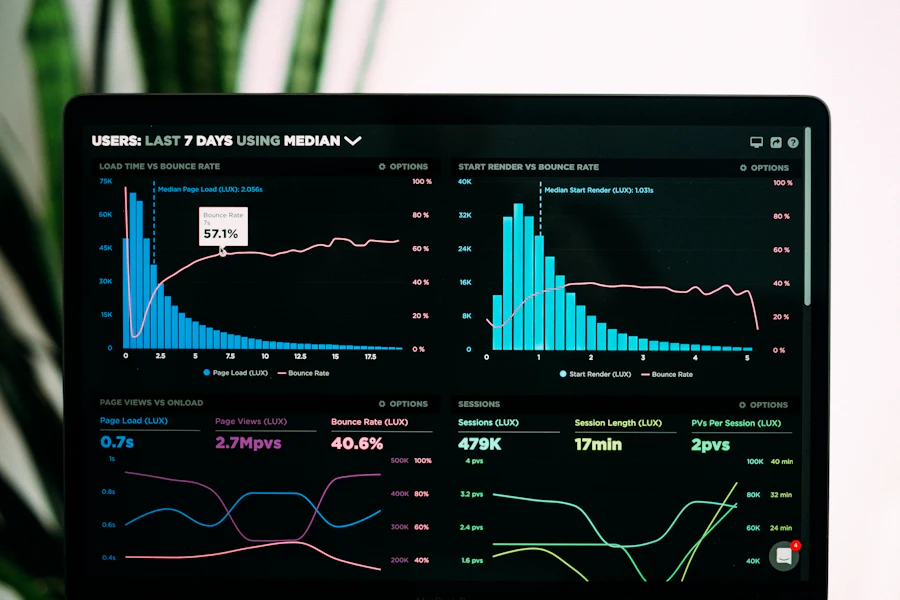 SEO & Performance
Why Website Speed Sells: The Revenue Math of a Fast Site
A slow site quietly refunds your marketing budget one abandoned visitor at a time. Here is the revenue math behind page speed, and the fixes that pay for themselves. Read article Design & Branding
What a Brand Identity Includes, and Why a Logo Alone Falls Short
Buying just a logo leaves everyone guessing about color, type, photos and tone. Here is what a full brand identity includes, the files you should get, and how to make sure you own them. Read articlePut this to work
Reading is free. So is asking. Tell us what you're building and we reply within one business day with honest next steps.