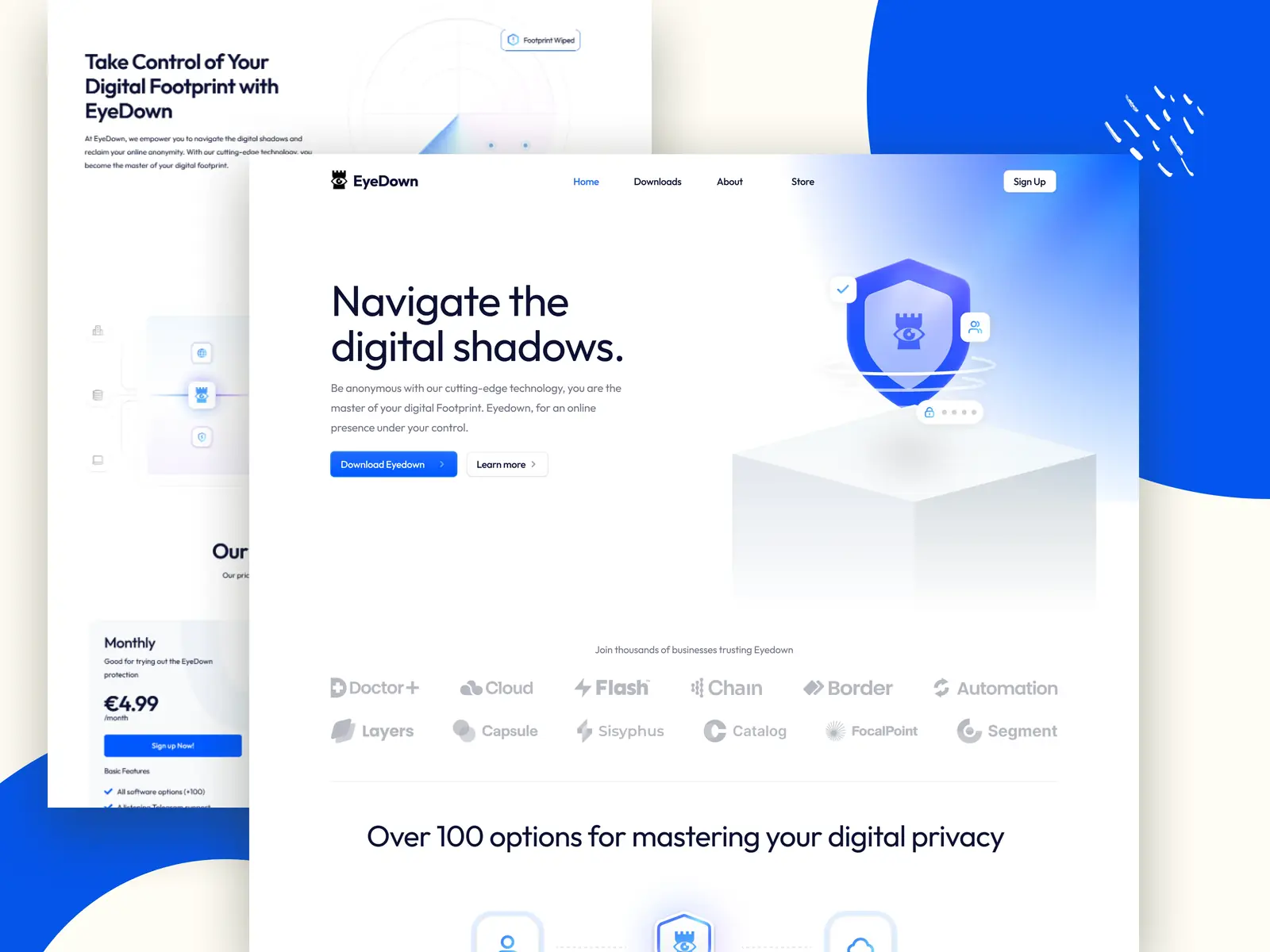
EyeDown Rebrand: Making 500+ Privacy Features Easy to Buy
Over 500 privacy features is an achievement and a liability. Buyers do not read feature lists, they look for a reason to trust you.
- Client
- EyeDown
- Industry
- Digital privacy software
- Services
- Brand identityWebsite rebuildConversion rate optimizationContent and education design
The product was strong. The pitch was doing the damage.
EyeDown built a genuinely capable privacy product, with over 500 privacy features covering the ways personal data leaks online. The problem is that "over 500 features" is a fact about the product, not a reason for anyone to buy it. Visitors landed on a site that led with capability and left without understanding what EyeDown would actually do for them.
Three things were costing conversions. The messaging was unclear, so the value never landed. The design was dated, which in a privacy product reads as a security concern rather than an aesthetic one. And there were not enough credibility markers to convince an audience that is, by definition, suspicious. Privacy-focused buyers are the hardest audience to win precisely because scepticism is why they are shopping.
Why feature-heavy products convert badly
A long feature list feels like a strong argument to the team that built it, because every item represents real work. To a visitor it reads as homework. They cannot tell which of the 500 features solves their problem, so they cannot picture their life improving, so they do not buy. The depth becomes a barrier instead of an advantage.
This shows up constantly in privacy and security products, where the engineering is the source of pride and the marketing inherits the engineering's structure. The fix is not hiding the capability. It is putting an understandable promise in front of it.
What we did
A polished, professional visual identity. For a company selling protection, looking credible is part of the product. The new identity was built to signal trust, innovation, and the promise of complete online privacy, so the design supported the claim instead of quietly contradicting it.
Distilled messaging. We took complex capability and reduced it to language a visitor understands in seconds. The 500 features did not disappear, they moved to where they belong: as proof after the promise, for the buyer who wants to verify the claim.
Credibility built into the page. Customer testimonials and credibility indicators were placed where hesitation happens. With a sceptical audience, the evidence has to sit next to the ask, not on a separate page.
The platform restructured for sales. The site was rebuilt as a sales engine rather than a brochure: a streamlined purchase process, with the steps between deciding and buying removed rather than decorated.
Education as part of the funnel. Guides, courses, and user testimonials made technical features accessible. This does double duty. It answers the questions that stall a purchase, and it earns search visibility from people looking for the problem before they know a solution exists.
The result
After launch, EyeDown saw substantial conversion gains and rapid revenue expansion. The rebrand established the company as a prominent global player in digital privacy, strengthened customer confidence, and produced measurable financial returns.
The product did not change during this work. The same 500 features that were not selling became the reason people bought, once the site gave them a promise to attach the features to.
If you are sitting on a product nobody understands
The instinct is to explain more. It is usually the wrong move. Start with the one sentence that says what changes for the customer, put your strongest proof directly beside your strongest claim, and remove the steps between deciding and paying. Feature depth is what keeps customers after they buy. It is rarely what convinces them to.
Good to know
Frequently asked questions
How do you market a technical product without confusing people?
You lead with the outcome and let the specifications support it, not the other way around. Buyers decide based on whether you solve their problem and whether they trust you. Feature depth matters, but it belongs after that decision, as reassurance rather than as the opening argument.
Does a rebrand actually affect sales?
It does when the old brand is the thing blocking the sale. If visitors cannot tell what you do, cannot tell whether you are credible, or feel the design is dated, they leave regardless of product quality. A rebrand fixes sales when it removes those doubts. It does not fix a product nobody wants.
What are credibility markers on a website?
Anything that answers the silent question of whether you can be trusted with money and data: customer testimonials, real usage numbers, security and compliance detail, transparent pricing, named people behind the company, and educational content that proves you know the subject.
Should software companies publish guides and courses?
If the product needs explaining, yes. Educational content does two jobs at once. It removes the confusion that stops people buying, and it brings in the people searching for the problem before they know a product exists.
More work
Related case studies
 Web Development
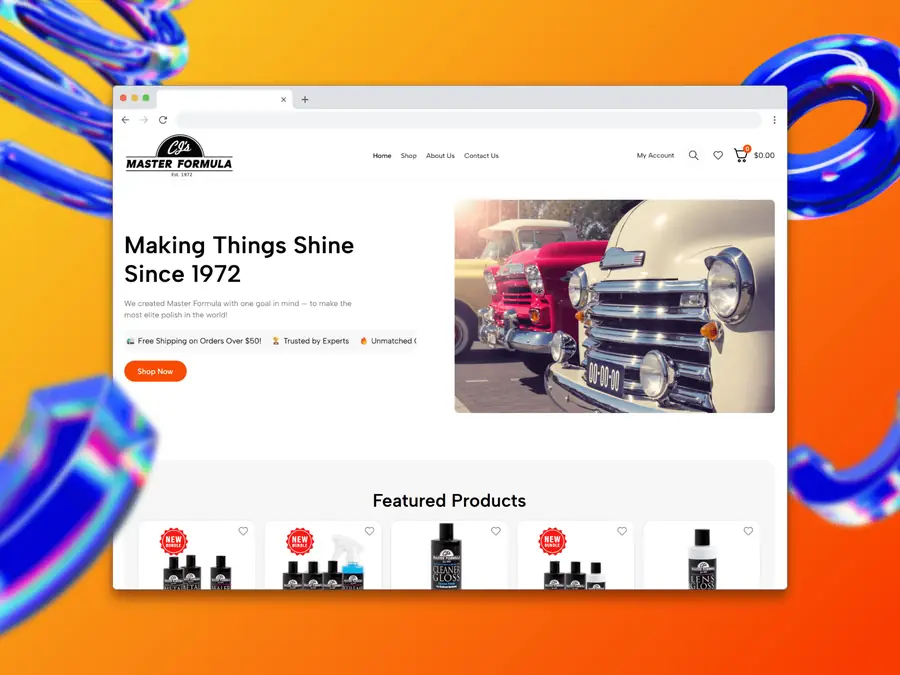
Tripling Conversions for CJ's Master Formula
A loyal customer base was not translating into online sales. Rebuilding the product pages and checkout around how detailers actually buy tripled conversions. Read case study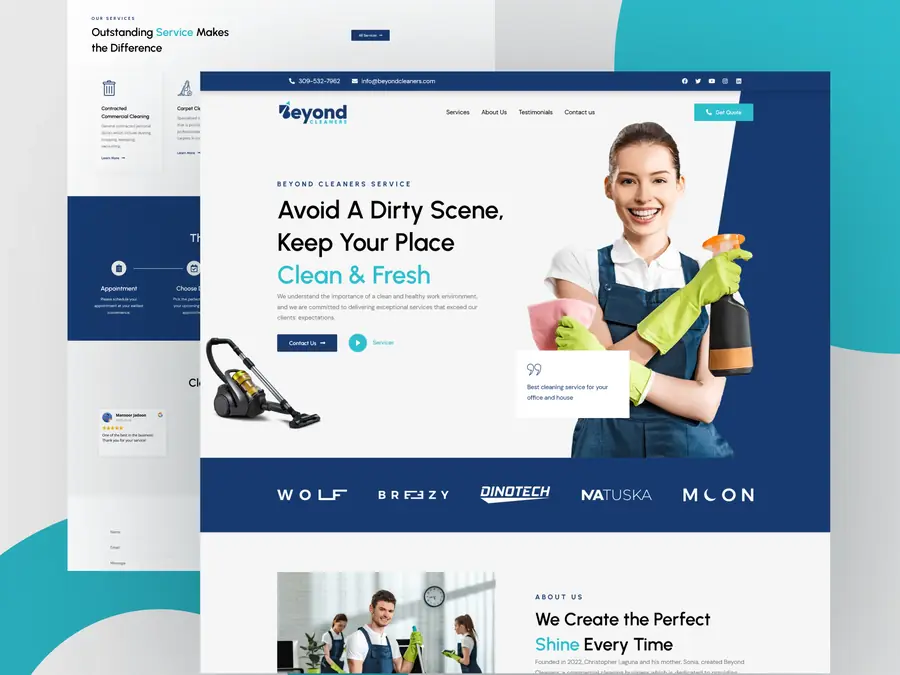 Design & Branding
Beyond Cleaners Rebrand Builds Trust and Client Growth
Excellent service, invisible online. A rebrand built the credibility the business had already earned offline, and turned the website into a booking channel. Read case study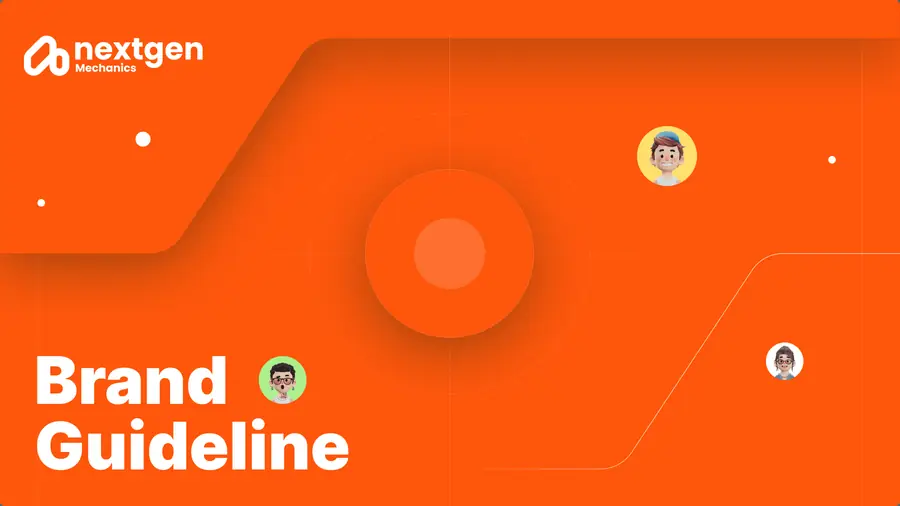 Design & Branding
NextGen Mechanics: Branding and a Website That Brings In Calls
A modern identity, plain-English messaging, and a website built for phones turned an auto shop into a business people recognise and call back. Read case studyYour turn
This is what the process looks like. Tell us what you're building and we reply within one business day with honest next steps.